
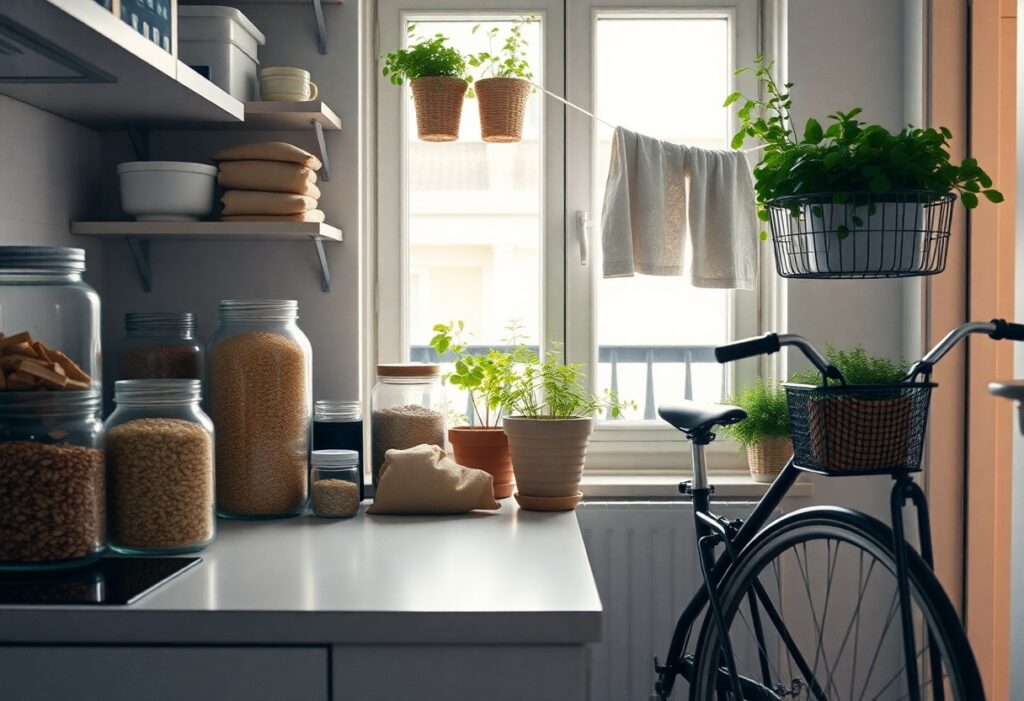
Evaluating Key Factors of Sustainable Spending
Assessing your spending through an environmental and financial lens reveals patterns that shape both your budget and footprint. Consider the lifespan of products, frequency of use, production ethics, and disposal methods. Any choice that prioritizes durability, repairability, and low environmental cost supports long-term sustainability without straining your finances.
- Product lifespan and repair potential
- Frequency and necessity of use
- Materials and production transparency
- End-of-life recyclability or biodegradability
Analyzing the environmental impact of current consumption
Your weekly purchases contribute to resource extraction, transportation emissions, and packaging waste. A single household’s grocery run, for example, may include items with excessive plastic or long supply chains. Understanding these hidden costs helps align buying habits with ecological priorities without requiring immediate overhauls.
Identifying high-cost, high-waste habits in the home
Leaving lights on in unoccupied rooms, overusing disposable cleaning wipes, or buying bottled water daily add up in both expense and environmental toll. These habits often go unnoticed but represent clear starting points for change. Shifting to reusable alternatives and mindful usage can yield immediate savings and reduce landfill contributions.
One mid-sized SaaS firm discovered that switching from single-use kitchen supplies to washable towels and containers reduced their office waste by nearly half over six months. At home, similar shifts-like brewing coffee instead of buying takeaway drinks-cut recurring costs while decreasing material waste. Small behavioral changes, consistently applied, reshape consumption patterns more effectively than occasional large gestures.
How to Minimize Food Waste and Grocery Expenses
Planning meals around what’s already in your pantry reduces unnecessary purchases and prevents spoilage. A mid-sized SaaS firm’s employee meal prep group cut weekly food costs by aligning grocery lists with seasonal produce and existing ingredients. The
Tips for strategic meal planning and seasonal shopping
- Build weekly menus around in-season vegetables and sale items
- Use a shopping list tied to planned meals to avoid impulse buys
- Check your fridge and pantry before adding items to your list
- Choose frozen fruits and vegetables when fresh options are costly
The average household loses more money to discarded food than to streaming subscriptions annually.
Mastering bulk purchasing and proper food storage
Buying non-perishables like rice, beans, and oats in bulk lowers cost per unit and reduces packaging waste. Store grains in airtight containers to extend shelf life and prevent infestations. The
Proper food storage techniques such as wrapping herbs in damp cloths or freezing ripe bananas can extend usability by days or weeks. Dividing bulk meat into meal-sized portions before freezing prevents repeated thawing and maintains quality. Airtight glass jars keep flour and sugar dry for months, while root vegetables last longer when separated from onions in a cool, dark space.
Reducing Utility Costs Through Energy Efficiency
Lowering your utility bills doesn’t require expensive upgrades or major lifestyle shifts. Simple changes in daily habits and minor home adjustments can significantly reduce energy consumption over time. You gain both financial savings and a smaller environmental footprint by making efficiency a consistent priority.
Low-cost factors for optimizing home heating and cooling
A well-maintained home retains temperature more effectively, reducing strain on heating and cooling systems.
- Seal gaps around windows and doors with inexpensive weatherstripping
- Use heavy curtains to block winter drafts and summer heat
- Set your thermostat a few degrees lower in winter and higher in summer
- Replace HVAC filters monthly during peak usage seasons
Though small, these actions compound into noticeable savings on monthly energy statements.
How to implement simple water-saving habits for daily use
Turning off the tap while brushing your teeth can save several gallons each day. You use less water by shortening showers and filling the sink instead of running water when washing dishes. Installing low-flow showerheads and faucet aerators further reduces consumption with minimal upfront cost.
Many households overlook how much water accumulates during routine activities like rinsing vegetables or defrosting food. You can repurpose a bowl of water for indoor plants or outdoor gardening instead of letting the tap run. Flushing less frequently and only running full loads in dishwashers and washing machines also contribute to long-term conservation without requiring new equipment or expenses.
Building a Sustainable Wardrobe on a Budget
Curating a sustainable wardrobe doesn’t require new purchases or high expenses. Choosing well-made, timeless pieces from ethical sources reduces environmental impact and long-term spending. Prioritize natural, durable fabrics and support transparency in production. Every garment you keep in rotation is a step toward lower consumption and a lighter footprint.
Tips for navigating thrift stores and community swaps
Thrift stores and clothing swaps offer affordable, eco-conscious alternatives to fast fashion. Visit stores mid-week when new stock arrives, inspect seams and zippers for wear, and bring a list of needed items to stay focused. After, you’ll leave with quality pieces at a fraction of retail cost and help divert textiles from landfills.
- Check tags for fabric composition-favor cotton, wool, and linen
- Visit community swap events hosted by local environmental groups
- Try on items when possible or stick to flexible fits
- Wash or dry clean all secondhand items before first use
How to repair and upcycle existing garments to extend longevity
Mending small tears, replacing buttons, and hemming frayed edges can extend a garment’s life by years. A simple needle and thread allow you to fix common issues instead of discarding wearable clothes. After, your repaired items often gain character while reducing reliance on new purchases.
Learning basic sewing techniques opens the door to creative upcycling. Turn worn-out jeans into cutoff shorts, transform oversized shirts into reusable shopping bags, or dye stained garments to refresh their appearance. A mid-sized SaaS firm’s employee resource group recently hosted a repair café, where participants mended over 120 clothing items in a single weekend using donated supplies and volunteer tailors.
Transitioning to Eco-Friendly Household Maintenance
Switching to sustainable home upkeep doesn’t require costly products or major lifestyle shifts. Simple changes like using reusable cloths instead of paper towels, selecting biodegradable cleaners, and repairing fixtures to prevent waste add up over time. A mid-sized SaaS firm reduced its office supply waste by switching to washable mop pads and refillable spray bottles, proving small swaps yield measurable results.
How to create affordable DIY cleaning solutions
Start with basic ingredients like white vinegar, baking soda, and castile soap, which can clean most surfaces effectively. Mix vinegar and water for glass cleaner, or combine baking soda with a few drops of crucial oil for scrub paste. These formulas cost a fraction of commercial alternatives and avoid plastic packaging.
Factors for choosing zero-waste personal care alternatives
Look for products with minimal or compostable packaging, such as shampoo bars wrapped in paper or toothpaste tablets in glass jars. Prioritize durability, ingredient transparency, and local availability to reduce environmental costs. Assume that
- bar soap lasts longer than liquid soap in plastic bottles
- menstrual cups can replace thousands of disposable pads or tampons
- refill stations often offer better value than single-use containers
- some “eco” brands still ship long distances, increasing carbon footprint
Consider how frequently you replace each item and whether it delivers consistent performance. A bamboo toothbrush is only sustainable if it holds up under daily use and is disposed of properly. Assume that
- solid deodorant in metal tins avoids plastic and often contains fewer synthetic ingredients
- razor blades shipped in paper sleeves reduce waste compared to cartridge systems
- DIY options like coconut oil as a moisturizer work well for some skin types
- local co-ops may offer personal care refills at lower cost than online retailers
Implementing Low-Impact Transportation Strategies
Choosing transportation methods with lower environmental impact often aligns with reducing personal expenses. Walking, cycling, and using public transit decrease fuel consumption and maintenance costs tied to private vehicles. Many cities now offer expanded bus and rail networks, making car-free living more feasible than ever. Even occasional ride-sharing or trip bundling can meaningfully cut emissions over time.
Tips for maximizing public transit and carpooling
Plan your weekly schedule around fixed transit routes to minimize wait times and missed connections. Use mobile apps to track real-time arrivals and avoid unnecessary exposure to weather. Coordinate with coworkers or neighbors to establish a reliable carpool rotation. Many employers offer incentives for shared rides or transit passes. Recognizing that consistent use builds familiarity and efficiency, making low-impact travel a seamless part of your routine.
- Purchase weekly or monthly transit passes for cost savings
- Share commuting costs like gas and parking with carpool partners
- Align errands with transit-accessible locations
- Use off-peak hours to avoid crowding and delays
How to maintain a bicycle for affordable commuting
Regular cleaning and chain lubrication prevent premature wear and improve ride efficiency. Check tire pressure weekly to reduce rolling resistance and flat risks. Keep brakes responsive by inspecting pads for wear and alignment. Tighten loose bolts on the handlebars, seat, and wheels after a few rides. Recognizing that consistent upkeep extends a bike’s lifespan and avoids costly repairs down the road.
A well-maintained bicycle can serve as a reliable daily commuter for years with minimal investment. Inspect the drivetrain every few months for signs of stretching or rust, especially if riding in wet conditions. Replace brake cables or housing if they feel stiff or unresponsive. Local bike co-ops often offer low-cost tools and guidance for DIY repairs, helping you gain confidence with basic maintenance tasks without relying on expensive shop services.
Final Words
You can live more sustainably on a budget by aligning daily habits with long-term environmental and financial goals. Choosing reusable items over disposables, prioritizing secondhand clothing, and planning meals to reduce food waste all add up. A mid-sized SaaS firm recently reported that employees who adopted zero-waste lunch routines saved an average of $1,200 annually. Small, consistent actions yield measurable results over time.
FAQ
Q: How can I reduce grocery costs while still eating sustainably?
A: Planning meals around seasonal and locally available produce often lowers both cost and environmental impact. A mid-sized SaaS firm employee in Portland cut their weekly grocery bill by nearly thirty percent by shifting to a plant-forward diet and buying grains and legumes in bulk from a local co-op. Cooking in batches and using leftovers creatively reduces food waste and saves time during busy weeks. Stores often discount perishable items nearing their sell-by date, making them ideal for immediate use or freezing. Choosing store-brand organic options instead of name brands can also stretch a budget without compromising on sustainability goals.
Q: Is it affordable to switch to energy-efficient appliances on a tight budget?
A: Many utility companies offer rebates or low-cost upgrade programs for energy-efficient refrigerators, LED lighting, and smart thermostats. A family in Cleveland replaced an aging refrigerator with an ENERGY STAR model through a local rebate program, reducing their monthly electric bill by about ten percent. Even small changes like installing low-flow showerheads or using power strips to eliminate phantom loads can yield noticeable savings over time. Prioritizing replacements as old appliances fail prevents large upfront costs and allows gradual improvements.
Q: Can I build a sustainable wardrobe without spending a lot of money?
A: Secondhand shopping at thrift stores, online resale platforms, or clothing swaps offers access to durable clothing at a fraction of retail prices. A teacher in Austin built an entire professional wardrobe over six months using consignment shops and seasonal sales, spending under $200 total. Choosing high-quality, timeless pieces over fast fashion trends increases longevity and reduces long-term spending. Natural fibers like cotton, wool, and linen often last longer and are more easily recyclable than synthetic blends. Simple repairs like replacing buttons or mending seams extend the life of garments significantly.