
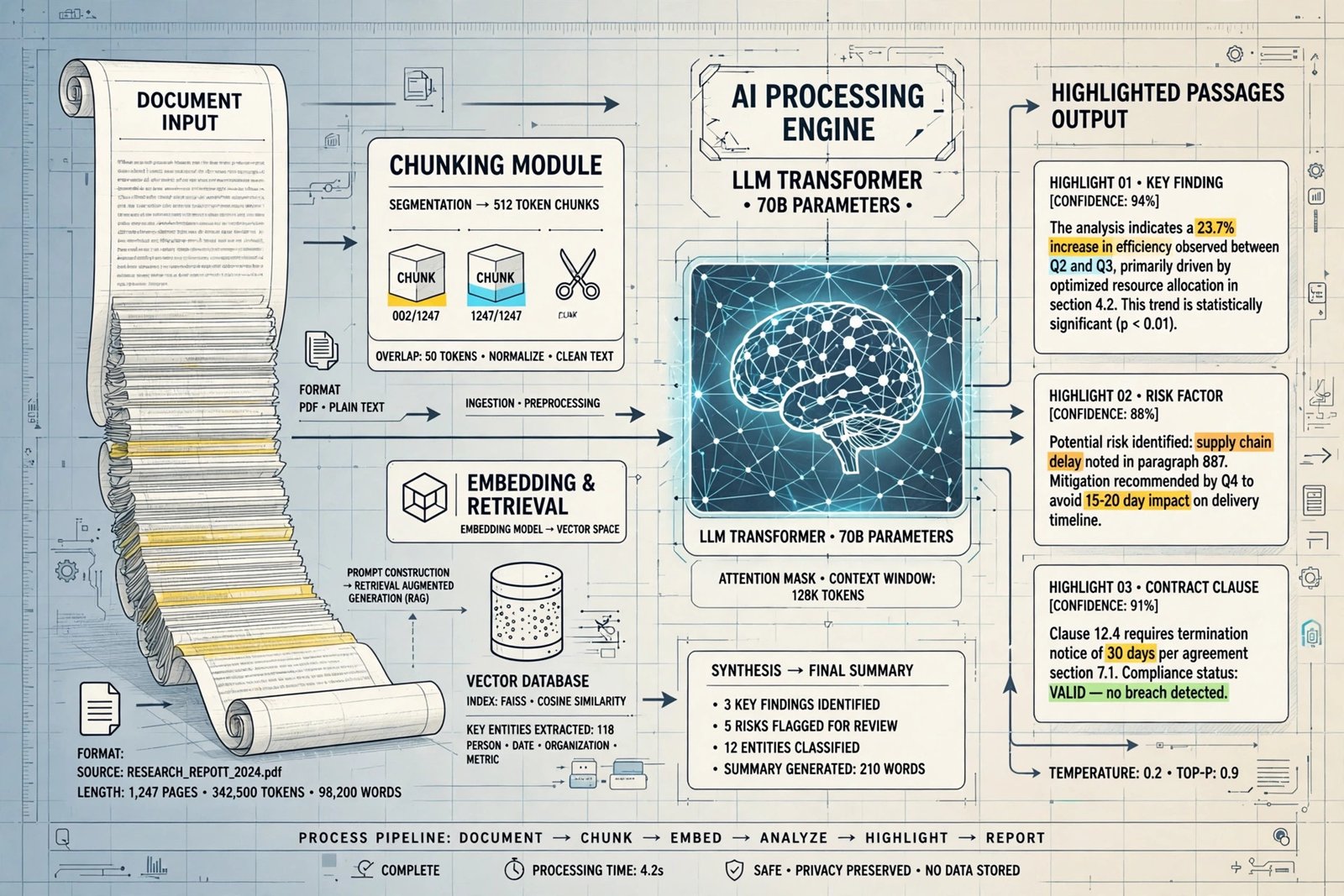
Claude Opus 5.5 arrived on September 22, 2026, carrying two numbers that deserve very different kinds of attention. The first is the one everyone quotes: a 1,000,000-token context window, which puts Anthropic’s new flagship in the top tier of long-context models. Here is the full story of the Claude Opus 5.5 context window of 1,000,000 tokens and the setting behind every score, explained in plain language. For more tech coverage, browse The Weird News Blog for the rest of the series.
The second number is the one that quietly decides how much of any published benchmark you can trust. Every quality figure quoted for Claude Opus 5.5 was measured at a specific reasoning-effort setting called Max, recorded by the independent evaluation harness as “Max, Default Fallback”. The window tells you how much the model can read; the effort setting tells you the configuration behind the numbers.
Key Takeaways:
- Claude Opus 5.5 has a 1,000,000-token context window, the same headline figure as the OpenAI models in its comparison set and twice xAI’s 500,000 tokens on Grok 4.7.
- Every published score for Claude Opus 5.5 was measured at Max effort, recorded as “Max, Default Fallback” against a max effort level of 60.
- “Max” is the measurement condition; “Default Fallback” is what an ordinary request gets when it specifies no effort level, so a benchmark may not be reproducible by default.
- Cost swings with effort: one finished task costs $0.55 at low effort and $5.98 at max effort, an 11x range on the same model.
- A big context window is a capacity claim, not an accuracy claim. Test whether the model actually finds facts buried in the middle of a long prefix before building on it.
What Is Claude Opus 5.5?
Claude Opus 5.5 is Anthropic’s flagship-tier AI model, released on September 22, 2026 as the first entry in the new 5.5 efficiency family. Anthropic pitches it for long-running agentic coding and professional knowledge work, at roughly Fable 5.1 level on most work, about 40 percent cheaper than Opus 5, and over 30 percent faster at output.
The headline specs are a 1,000,000-token context window, a maximum output of 128,000 tokens per synchronous response (300,000 through the Batch API with a beta header), and pricing of $4 per million input tokens and $20 per million output tokens. Two behavior changes matter: thinking is always adaptive and cannot be disabled, and requests can no longer force a tool choice. The model carries a knowledge cutoff of June 2026.
What Does a 1,000,000 Token Context Window Mean?
A context window is the ceiling on how many tokens the model can consider in one go, including your input, its internal reasoning, and its output. One million tokens is enough room to load an entire medium-sized codebase, a 1,000-page PDF, or several years of filings into a single conversation, which is why Anthropic pitches the model for whole-repository and multi-document work rather than ordinary chat.
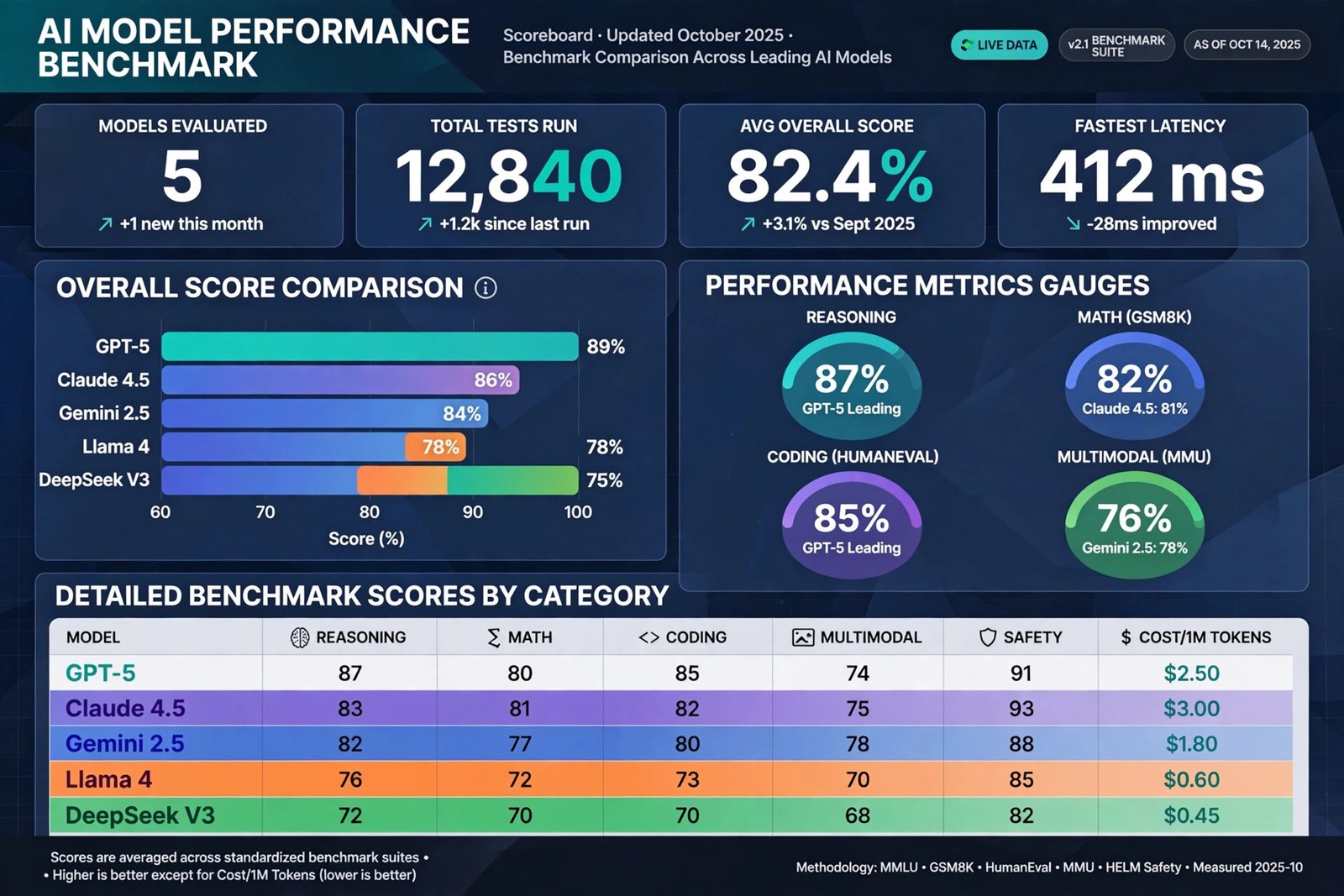
An agent pointed at a whole repository sees the call graph instead of a slice of it. A long-horizon run accumulates tool output, diffs, and reasoning across hours, and the transcript becomes the working state. Multi-document synthesis can happen without a retrieval step deciding in advance what matters.
Two caveats follow that no spec sheet prints. First, a large window is a capacity claim, not an accuracy claim: fitting a million tokens in says nothing about whether the model uses the middle of them well, and long-context retrieval is a measured thing, often tested with needle-in-a-haystack probes, rather than an implied one. Second, cost scales with what you send, so a window large enough to hold a repository is also large enough to make a careless prompt expensive.
What Is the Setting Behind Every Score?
Independent evaluations run at a configuration, and for Anthropic’s models that configuration has a name. The independent benchmarking harness records Claude Opus 5.5 as evaluated at Max effort, with the full string “Max, Default Fallback” and a maximum effort level of 60. That effort knob decides how much internal reasoning the model does before answering, and every quality number quoted for this model was taken with the knob turned all the way up.
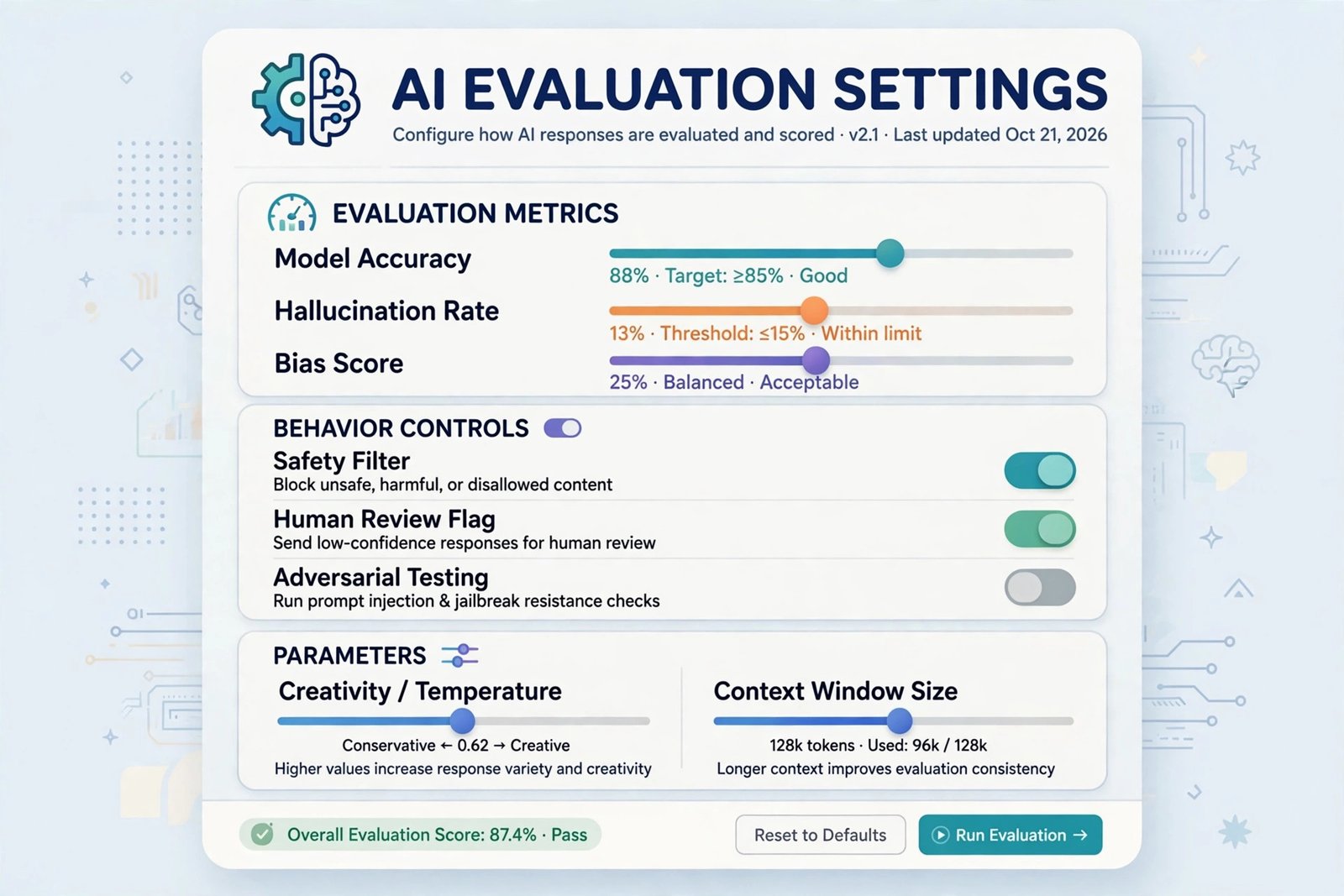
“Max” is where the model was measured. “Default Fallback” is what a request gets when it asks for nothing. Since Opus 5.5 defaults to medium effort, an ordinary call may not run the configuration that produced the published score.
| Model | Effort setting at evaluation | Maximum effort level |
|---|---|---|
| Claude Opus 5.5 | Max, Default Fallback | 60 |
| GPT-6.1 Sol | Max | 60 |
| GPT-6 Astra | Max | 60 |
| Grok 4.7 | Xhigh | 50 |
The consequence is concrete: a request that specifies no effort level may not reproduce the configuration behind the published score. Any cross-model table that omits the effort label is really a table of configurations, so when comparing two models, put both at the same rung.
How Does the Claude Opus 5.5 Context Window Compare With Rival Models?
On headline context alone, Claude Opus 5.5 sits at the top of its comparison set. Its 1,000,000-token window matches the two OpenAI models used in the same evaluation series and doubles the 500,000 tokens carried by xAI’s Grok 4.7. That parity on the input ceiling means the differentiator between these models is not how much they can read, but what they do with the budget at a given effort setting.
| Model | Context window |
|---|---|
| Claude Opus 5.5 | 1,000,000 tokens |
| GPT-6.1 Sol | 1,000,000 tokens |
| GPT-6 Astra | 1,000,000 tokens |
| Grok 4.7 | 500,000 tokens |
Measured at max effort, Opus 5.5 scores 58 on the Artificial Analysis Intelligence Index, 57.8 percent on CursorBench, 66.4 percent on Terminal-Bench 4.0, and 67.7 percent on Humanity’s Last Exam with tools. Output speed runs from 74 to 86 tokens per second by effort level. Anthropic’s own caveat: at this level, benchmark margins are a less reliable guide to real-world differences.
Why Does Max Effort Change the Cost So Much?
Because the per-token rate is only half the bill; the other half is how many tokens the model burns to reach its answer. Artificial Analysis prices a finished intelligence-index task on Claude Opus 5.5 at $0.55 at low effort and $5.98 at max effort, an 11x spread produced by the effort setting alone on the same model and the same task. For a case study in how aggressive pricing reshapes the flagship tier, read our explainer on GPT-5.6 Luna, a flagship priced like a flash model.
The mechanism is visible in the token counts. At maximum effort, Opus 5.5 spends roughly 119,000 output tokens per task on deep internal verification, while GPT-6 Astra resolves the same tasks with about 27,000. That is why max-effort Opus 5.5 lands at $5.98 per task against $3.26 for Astra and $1.06 for GPT-6 Sol, despite lower nominal rates.
What Are the Benefits of a 1,000,000 Token Context Window?
The benefits of the Claude Opus 5.5 context window of 1,000,000 tokens cluster around removing hard failure modes. Most traffic, chat turns and code completions in the low thousands of tokens, fits any modern window, and for that traffic the million tokens are reassurance rather than a feature.
- Whole-repository agents. An agent can hold a codebase, its test suite, and several rounds of tool calls in working memory without losing track of earlier instructions.
- Long-horizon runs. Hours of accumulated tool output and reasoning stay in context, so the transcript itself becomes the state of the task.
- Multi-document synthesis. Contracts, policies, and years of filings can be compared directly, without a retrieval step pre-deciding what matters.
- Long documents. PDFs up to 1,000 pages fit, which matters where pagination breaks naive chunking.
- Fewer retrieval pipelines. Where a smaller window forces retrieval-augmented generation, the full document can be the context, which removes a whole class of retrieval errors.
- Headroom for reasoning. The window is shared by input, thinking, and output, so a large ceiling also protects long reasoning traces from being cut short.
What Should You Check Before Sizing a Long-Context Prompt?
Four checks, in the order they change the answer, before you build around the Claude Opus 5.5 context window of 1,000,000 tokens and the setting behind every score.
- Decide whether you need the window at all. A million tokens is a requirement for whole-repository and multi-document work and a non-feature for everything else. If your traffic never exceeds a few thousand tokens, this spec alone is not a reason to choose the model.
- Measure retrieval inside the window, not just the fit. Bury a fact in the middle of a long prefix and test whether the model finds it before you build a pipeline that assumes it will.
- Send the effort level explicitly. The published score was taken at Max. If your request asks for nothing, it falls back to the default, and you are not running what was measured. When comparing models, pin both to the same rung.
- Price the prefix before you use it. Count the tokens a realistic request would carry and price them at $4 per million input with the reasoning trace at $20 per million output, before the window becomes part of the design.
Frequently Asked Questions
What is the Claude Opus 5.5 context window of 1,000,000 tokens and the setting behind every score?
It is the pairing of two facts: a 1,000,000-token window, and every published score measured at Max effort, recorded as “Max, Default Fallback”. The window is how much the model can read; the effort setting is the configuration behind the numbers.
How many tokens can Claude Opus 5.5 output in one response?
A single synchronous response can reach 128,000 tokens, rising to 300,000 through the Batch API with a beta header. The million-token window is shared by input, reasoning, and output, so large outputs eat into the rest of the budget.
What does Max effort mean for Claude Opus 5.5 benchmarks?
Max effort lets the model’s always-on adaptive thinking run as deep as it wants before answering. Anthropic notes that unless otherwise stated, all Opus 5.5 benchmark results use max effort. Higher effort tends to raise measured quality while costing more tokens and time.
What is Default Fallback in the evaluation string?
It covers requests that specify no effort level: the harness falls back to the default rather than forcing the top rung. Since Opus 5.5 defaults to medium effort, “Max, Default Fallback” records both the measurement condition and ordinary-call behavior.
How much does Claude Opus 5.5 cost per million tokens?
List rates are $4 per million input tokens and $20 per million output, with cache reads at $0.20 per million. The Batch API takes 50 percent off both for slower replies. Finished-task cost ranges from $0.55 per intelligence-index task at low effort to $5.98 at max effort.
Is a 1 million token context window enough for a whole codebase?
For a medium-sized repository, yes: an agent can hold the codebase, test suite, and several tool-call rounds in memory. For very large monorepos it may still fall short, and even when it fits, run a needle-in-a-haystack test to confirm mid-prefix facts are retrieved.
Does the 1 million token window include output tokens?
Yes. Input, the reasoning trace, and output share one unified budget. A long reasoning run at Max effort consumes a large share of it, which is why max-effort is the most expensive shape a request can take.
Why do Opus 5.5 scores differ between leaderboards?
Scores travel with their settings: different harnesses pick different effort levels, temperatures, and fallback rules, and the Intelligence Index aggregates ten evaluations rather than one. Read the effort label before comparing two numbers. The same discipline applies when judging any AI model launch, as our Kling 4.0 review shows.
The honest reading of the pair is simple: the window is a capability, the effort setting is a condition, and neither is a cost figure. Size the prompt, set the effort explicitly, and price the task before the million-token window becomes part of your design.