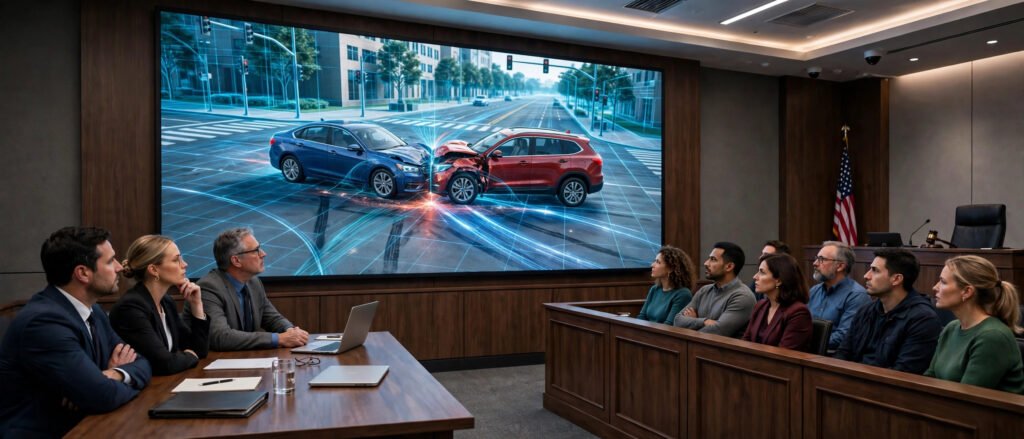
What is top 10 types of legal cases where forensic animations deliver the strongest impact? In plain terms, it is a ranking of the courtroom disputes where a carefully built, evidence based animation helps a judge or jury understand what happened, why it happened, and what caused the harm. A forensic animation is not a movie made for entertainment. It is a visual reconstruction created from case evidence, such as police reports, scene measurements, photographs, expert analysis, and recorded data, and it is shown alongside witness testimony so that complex facts become easier to follow.
The problem forensic animation solves is easy to recognise. Much trial evidence arrives in forms that are hard for non specialists to absorb, including technical reports, medical records, engineering diagrams, and long verbal descriptions. When the facts are unclear, the argument built on them can feel unclear too. A strong animation closes that gap by turning measurements, timelines, and expert opinions into a sequence that people can see, follow, and remember during deliberation.
Key Takeaways: Forensic animations deliver the strongest impact where time, space, anatomy, or a hidden failure mechanism is hard to explain in words alone. Motor vehicle, medical malpractice, product liability, and construction cases benefit most because the decisive moment is brief, technical, or invisible to the eye. An animation supports expert testimony, it does not replace it, and its value depends on being tied closely to verifiable evidence.
Understanding the benefits of top 10 types of legal cases where forensic animations deliver the strongest impact starts with how these visuals are made. Animators normally work with accident reconstructionists, medical experts, engineers, or other specialists, depending on the case. They study the source material, agree on what is known and what is disputed, and build a model that can be checked against the evidence. Where a detail is uncertain, a responsible presentation should say so.
Explained simply, top 10 types of legal cases where forensic animations deliver the strongest impact is a guide to fit, not a claim that every case needs animation. The cases below share a pattern. In each one, the central dispute turns on movement, timing, visibility, internal anatomy, a product mechanism, or a chain of events with several contributing causes. Those are exactly the questions that words and still photographs often fail to answer on their own.
Why do forensic animations help juries understand complex cases?
The short answer is that people understand sequences better when they can see them. A verbal account asks listeners to hold speed, distance, direction, and timing in their heads at the same time. A visual timeline removes much of that mental work, so jurors can focus on the real question, which is usually whether the evidence supports one account or another. Animation can also show the same event from more than one viewpoint or slow a fast moment down.
1. Why do motor vehicle accident cases benefit most from forensic animation?
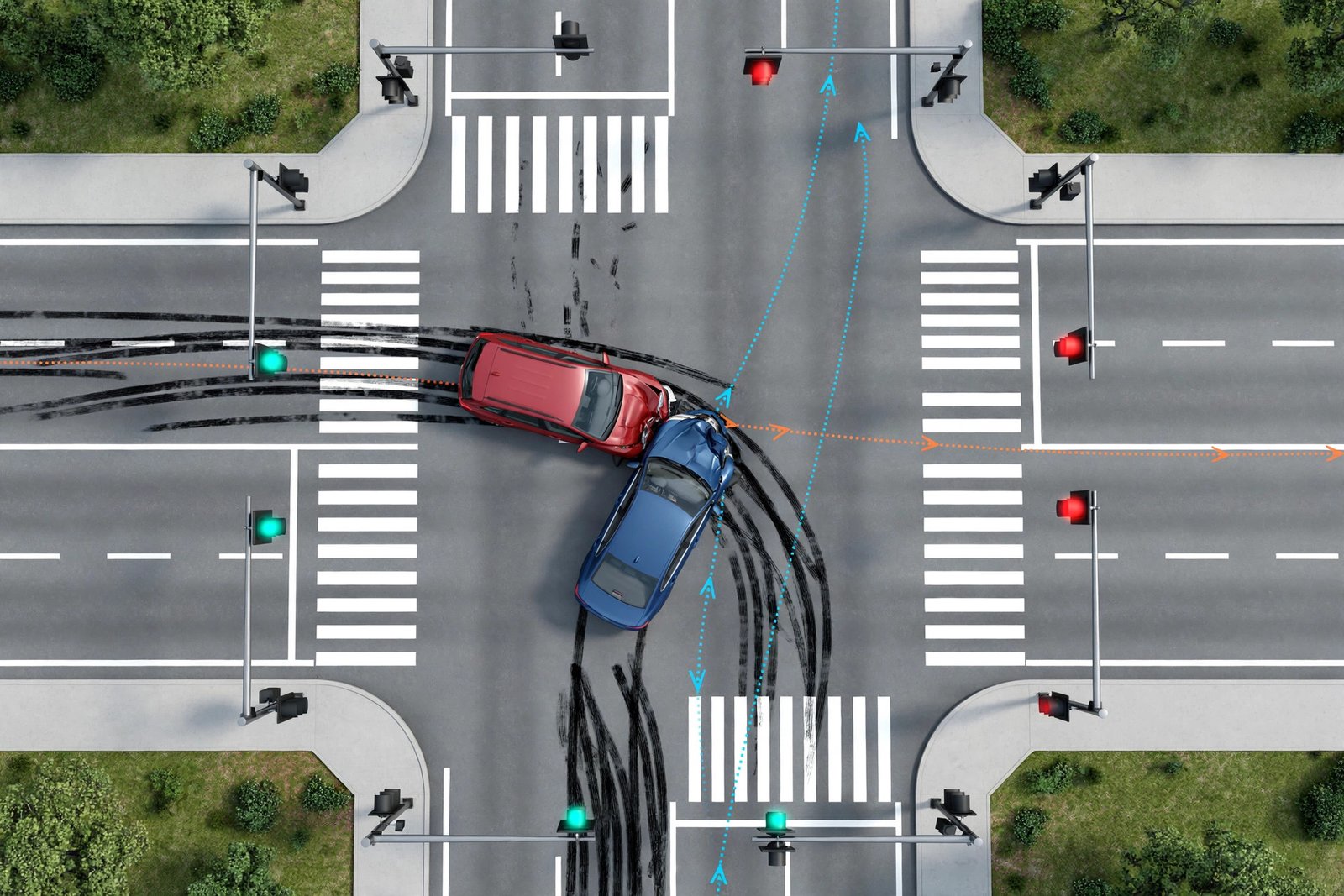
Motor vehicle cases often turn on moments that lasted less than a second, including speed at impact, braking, lane position, visibility, and right of way. Police reports, vehicle data, camera footage, and scene measurements can establish those facts, but they do not automatically create a clear picture in a juror’s mind. An animation can place vehicles on the road, show stopping distances, and present the sequence in order, so the jury can judge cause and effect rather than guess at it.
2. How does forensic animation work in wrongful death claims?
Wrongful death claims often involve long timelines, several contributing factors, and a chain of causation that must be explained step by step. Animation helps by organising those steps into a coherent account, showing how one event led to another. Because these cases also carry deep human consequences, restraint is essential. The strongest presentations stay anchored to medical, engineering, or reconstruction evidence and avoid imagery designed mainly to inflame emotion.
3. What makes premises liability cases a strong fit for animation?
In premises liability cases, the key question is often whether a property owner knew, or should have known, about a hazard. A photograph of a wet floor or an uneven step may show the hazard, but not the lighting, foot traffic, sight lines, or time available to notice it. Animation can rebuild the environment at the relevant time of day, showing what each person could plausibly see and how the danger appeared in context, which goes directly to foreseeability.
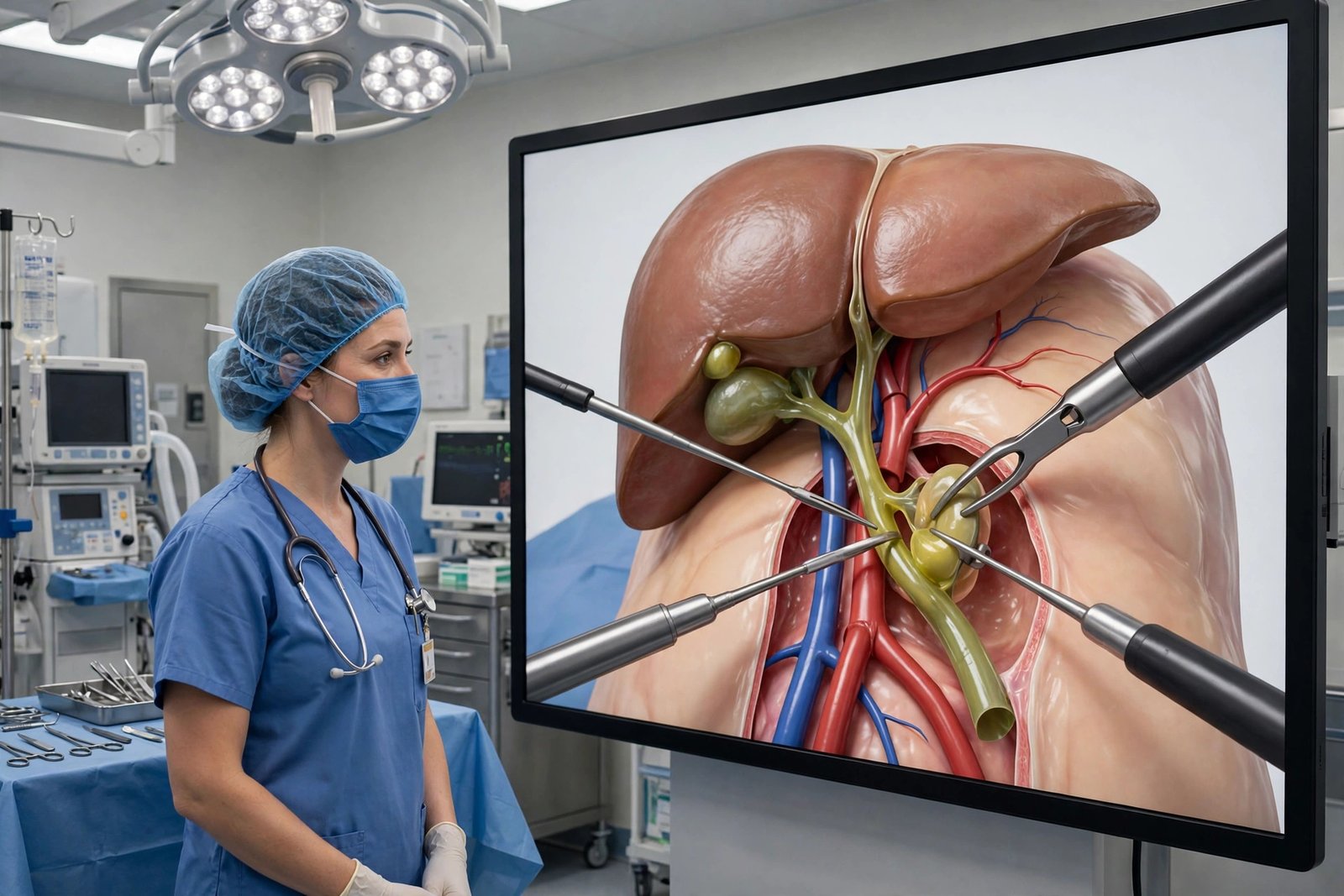
4. Why is medical malpractice litigation so hard to explain without visuals?
Medical malpractice cases ask jurors to understand anatomy, a procedure, a diagnosis, or a medication decision, often without any medical background. Expert witnesses can describe what happened, but a description of internal anatomy or a surgical error is hard to retain from words alone. Animation can illustrate the body, the procedure, and the point where care departed from the expected standard, giving expert testimony a visual foundation that jurors can revisit in their minds during deliberation.
5. How do product liability animations show a failure mechanism?
Product liability disputes often turn on how a product was used, whether a design or manufacturing defect existed, and how that defect caused harm. Engineering testimony may explain stress, wear, or a failure point, but jurors cannot easily picture internal components from a verbal account. Animation can model those components, show how stress built up during normal use, and isolate the failure point. A comparison between proper use and the actual conditions can also make the difference between user error and defect much clearer.
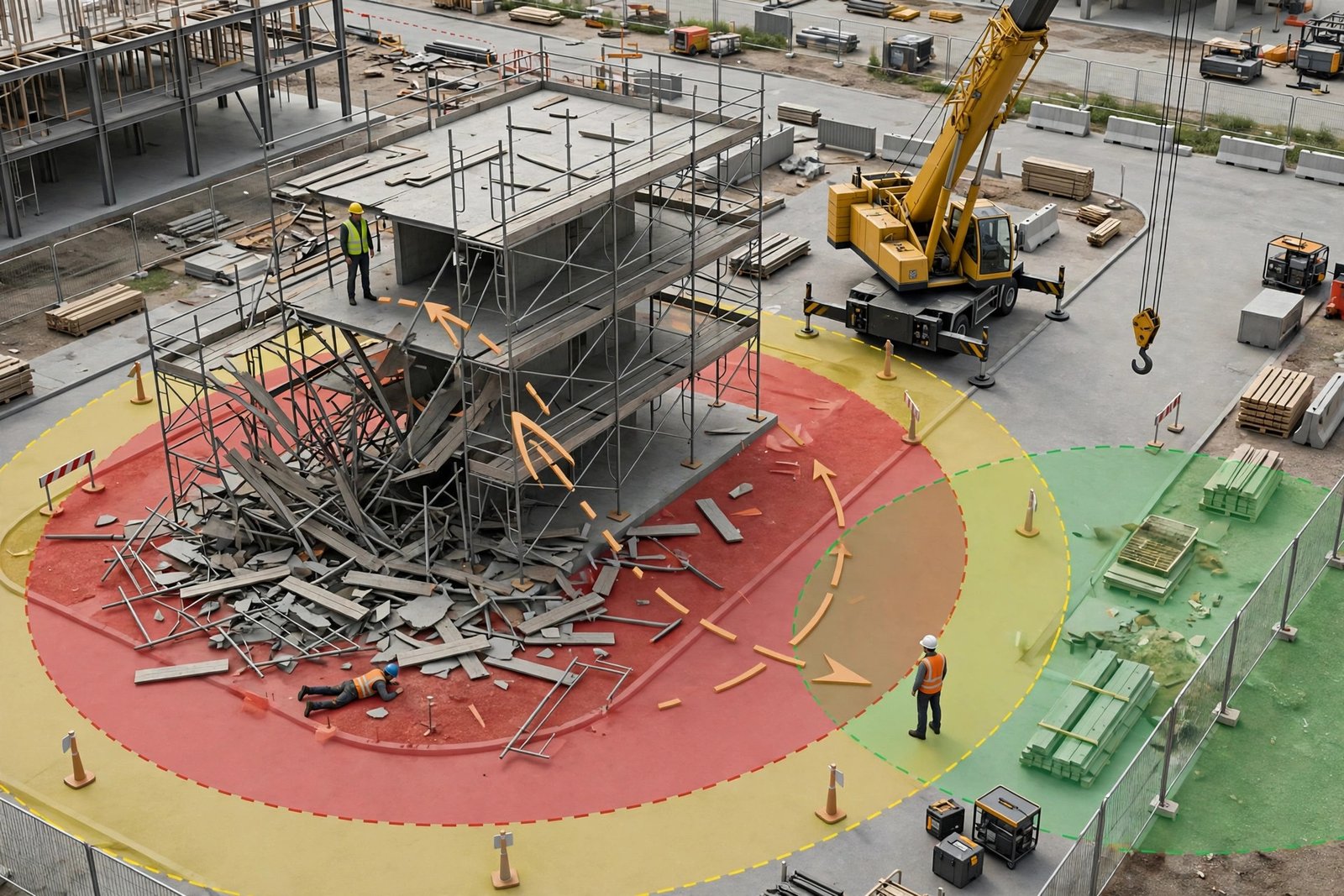
6. Why are construction accident cases especially suited to reconstruction?
Construction sites bring many variables together at once, including equipment, worker positions, site conditions, schedules, and safety rules. When an accident happens, responsibility may be shared among an operator, a supervisor, a contractor, and a manufacturer. Animation can map each contribution in sequence, showing who did what, when, and where, so the jury can follow a chain of events rather than trying to untangle several overlapping accounts from testimony alone.
7. How does animation help in workplace injury and safety cases?
Workplace injury cases often depend on showing that a safety standard was violated and that the violation caused the harm. Regulations are written in technical language, and simply quoting a rule rarely shows what compliance would have looked like in practice. A comparative animation can show both what happened and what would likely have happened if proper safeguards had been in place, turning an abstract compliance question into a concrete visual comparison.
8. Can forensic animation clarify intellectual property and patent disputes?
Patent disputes require a jury to understand how a device or process works and whether another product overlaps with a protected design. That comparison depends on internal mechanisms and process steps that are difficult to describe clearly. Animation can model the mechanism, walk through the process in order, and highlight where the designs match or differ, so the jury is not forced to rely entirely on verbal technical explanation.
9. What role does animation play in criminal cases?
In criminal proceedings, both prosecution and defence may use animation to reconstruct a scene, test a timeline, or examine whether an account is physically possible. Questions about location, timing, bullet paths, or lines of sight can decide whether a version of events holds together. Because the standard of proof is high, the animation must be especially careful about sources and assumptions, and it must be open to challenge on both its data and its method.
10. Why do aviation and maritime cases need visual reconstruction?
Aviation and maritime accidents combine weather data, navigation records, communication logs, mechanical analysis, and regulatory rules, much of it outside everyday experience. They also often involve several parties, including operators, manufacturers, and maintenance providers. Animation can unite those strands into one visual account, tracing how contributing factors combined, without letting the technical detail overwhelm the central questions of what happened and who was responsible.
Quick Facts: where forensic animation fits best
| Case type | Main question animation answers | Why visuals help most |
|---|---|---|
| Motor vehicle accidents | Speed, timing, visibility, and right of way | Decisive moments are brief and spatial |
| Wrongful death | How a chain of events led to death | Long timelines need clear sequencing |
| Premises liability | What was visible and foreseeable | Environment and sight lines matter |
| Medical malpractice | What went wrong inside the body | Anatomy is hard to picture from words |
| Product liability | How and where a product failed | Internal mechanisms are hidden |
| Construction accidents | Who contributed, and in what order | Many parties and factors interact |
| Workplace injury | What compliance would have changed | Rules are abstract without a comparison |
| Patent disputes | Where designs overlap or differ | Mechanisms need step by step display |
| Criminal cases | Whether an account is physically possible | Timing and location are decisive |
| Aviation and maritime | How many factors combined | Technical detail needs a unified account |
What should legal teams check before using a forensic animation?
First, the sources must be sound. Every important element in the animation should trace back to evidence or expert analysis that can be explained in court. Second, the animation should distinguish known facts from assumptions, so the jury is not misled about what is proven and what is merely one side’s theory. Third, the presentation should avoid unnecessary drama, such as exaggerated sound, slow motion used only for effect, or graphic detail that adds emotion without adding understanding.
What are the limits of forensic animation?
Animation cannot create evidence that does not exist, and it cannot settle a genuinely disputed fact by making one version look more polished than the other. If the underlying data are weak, the animation will be weak, however professional it looks. It can also be challenged or excluded if the court finds it misleading or speculative. Those limits are a strength of the system, because they keep the focus on the evidence behind the picture.
Readers interested in how visual evidence is changing courtroom practice can explore more coverage on The Weird News Blog, which covers legal, business, and technology stories in plain language.
Frequently Asked Questions
What is a forensic animation?
A forensic animation is a computer generated visual reconstruction built from case evidence and expert analysis. It is used in court or mediation to show how an event happened, how an injury occurred, or how a product or process worked.
Is a forensic animation the same as evidence?
No. It is usually demonstrative material that illustrates testimony and other evidence. Its value depends on the quality of the underlying data and on whether an expert can explain and defend how it was made.
Which legal cases benefit most from forensic animation?
Motor vehicle accidents, medical malpractice, product liability, construction accidents, and workplace injury cases benefit most, because their central questions involve timing, space, anatomy, hidden mechanisms, or several interacting causes.
Can both sides in a case use forensic animation?
Yes. Prosecution and defence, or claimant and defendant, can each present a reconstruction based on their own expert analysis, and each version can be tested through cross examination.
Can a forensic animation be challenged in court?
Yes. The opposing side can challenge its data, method, assumptions, and fairness, and a court can limit or exclude it if it is misleading or lacks a proper foundation.
Does animation replace expert witnesses?
No. Experts remain essential to explain the evidence, interpret the animation, and answer questions. The animation supports their testimony by making it easier to follow and remember.
When should a legal team start work on an animation?
As early as practical in case preparation, so the animation can be checked against the evidence, revised where needed, and used to prepare witnesses, rather than being rushed in just before trial.
Across all ten case types, the lesson is consistent. When forensic animation is honest, sourced, and carefully built, it turns technical complexity into a sequence a jury can follow, and that clarity is where its strongest impact is found.