
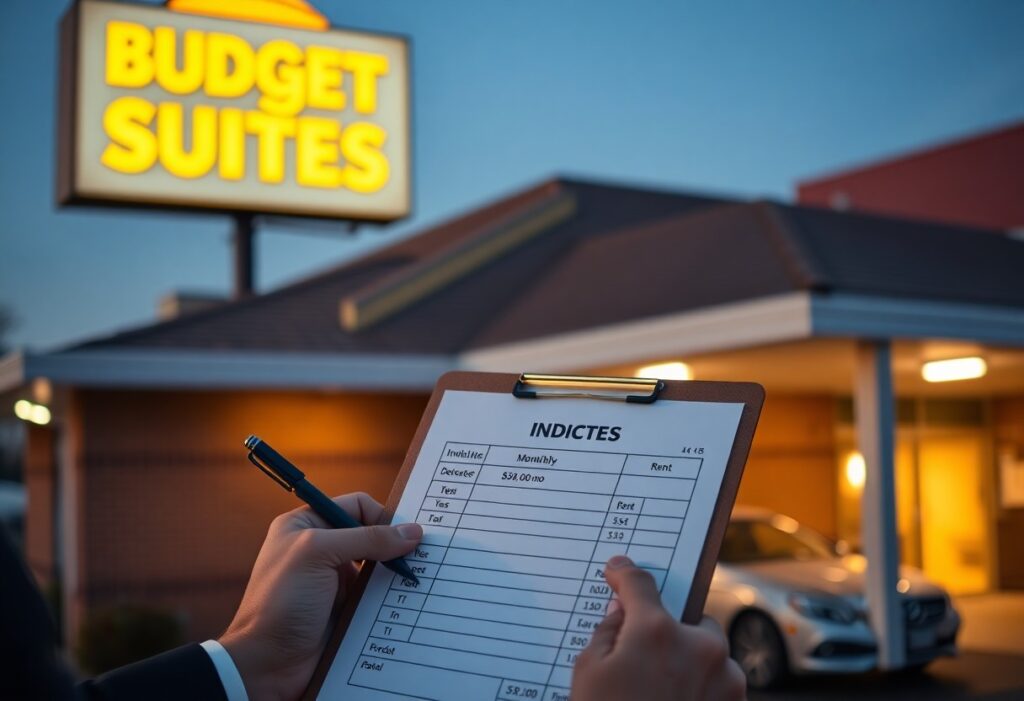
Over 70% of extended-stay travelers prioritize cost efficiency when booking accommodations for a month or longer. You can typically secure budget suites starting around $800 per month, depending on location and included amenities. These rates often compare favorably to short-term rentals and traditional hotels, especially when you factor in access to kitchens, free Wi-Fi, and no cleaning fees. Your choice directly impacts both comfort and long-term affordability.
Primary Factors Affecting Monthly Rates
Budget suite pricing shifts based on several key variables. Location, size, included amenities, and lease duration all influence the final cost. Shorter commitments often carry higher monthly rates compared to extended stays. Knowing these elements helps you anticipate pricing and avoid unexpected charges when securing your accommodation.
Regional Market Price Differences
Urban centers like Chicago or Seattle typically command higher monthly rates than smaller cities or suburban areas. Local demand, cost of living, and housing inventory directly shape what landlords can charge. A comparable suite in a secondary market may cost hundreds less per month due to reduced overhead and competition.
Suite Size and Configuration Options
One-bedroom layouts generally cost less than two-bedroom or loft-style units, even within the same building. Additional square footage, separate living areas, or private balconies increase the base rate. Knowing your space requirements helps narrow options and avoid paying for unused rooms or underutilized features.
Larger configurations often include extra appliances or storage, such as full kitchens or walk-in closets, which contribute to higher pricing. A mid-sized SaaS firm relocating an employee might opt for a studio to balance comfort and cost, while a family may require a two-bedroom with a dedicated workspace. Floor level, view, and natural light also affect value within the same size category.
How to Determine Your Total Monthly Budget
Start by assessing your net income and fixed financial obligations to establish a realistic ceiling for housing. Consider how much you currently spend on rent or lodging and whether your new arrangement allows for adjustments in other areas, such as transportation or dining. Your total monthly budget should reflect both the base rate and any recurring fees tied to the suite.
Factoring in All-Inclusive Utility Savings
Many budget suites bundle utilities like electricity, water, Wi-Fi, and even cleaning services into the monthly rate. This setup can eliminate unpredictable bills and reduce the need for separate accounts. You may find that an all-inclusive option with a slightly higher base fee actually lowers your overall monthly expenses.
Estimating Initial Move-In Deposits
Expect to pay a security deposit, often equivalent to one month’s rent, when securing a budget suite. Some properties also require an administrative or key deposit, typically non-refundable and ranging from $50 to $200. These upfront costs should be factored into your initial budget to avoid cash flow surprises.
A mid-sized SaaS firm relocating an employee to Austin, for example, discovered that the total move-in cost for a furnished budget suite included a $1,200 security deposit, a $150 processing fee, and the first month’s rent. Planning for these expenses two weeks before relocation ensured a smooth transition without last-minute financial strain.
Tips for Finding the Lowest Available Rates
- Book during off-peak seasons when demand is lower
- Compare rates across multiple platforms and direct property websites
- Ask about extended-stay discounts for commitments of 28 days or more
- Check for promotional codes or corporate partnership rates
Knowing which properties offer rate-matching or price adjustments can secure a better deal without requiring negotiation.
Leveraging Off-Peak Booking Times
Midweek arrivals in January or early February often yield the lowest base rates, especially in urban locations where business travelers dominate peak periods. A mid-sized SaaS firm relocating a team member to Chicago saved over 30% by scheduling move-ins on Tuesdays in mid-January rather than Fridays in December.
Utilizing Long-Term Stay Incentives
Properties may waive cleaning fees or include utilities for stays exceeding four weeks. Some offer tiered pricing where the nightly rate drops incrementally after 30, 60, or 90 days.
Extended-stay brands like Residence Inn or Sonder often build discounted weekly and monthly rates directly into their pricing structure, making it easier to see savings without special requests. A 45-day stay in a fully furnished suite in Austin with included internet and laundry access reduced the per-night cost by nearly half compared to a standard hotel booking.
How to Choose the Right Location for Your Needs
Location directly influences both your monthly rate and daily quality of life. You need to balance affordability with access to vital services, work locations, and personal preferences. A well-chosen area reduces commute times and increases convenience, making your extended stay more comfortable without unnecessary financial strain.
Proximity to Urban Centers vs. Suburbs
Staying near urban centers often means higher monthly rates due to convenience and demand. You may pay more for a budget suite downtown than in a suburban area with similar amenities. Consider your daily travel needs and whether the cost difference justifies being closer to business districts or entertainment hubs.
Assessing On-Site Amenity Value
On-site amenities like laundry, fitness centers, or coworking spaces can reduce your need for external services. You might spend slightly more per month but save on gym memberships or dry cleaning. Evaluate which features align with your routine to determine if the added cost delivers real value.
A mid-sized SaaS firm employee relocating for three months might prioritize a suite with a reliable workspace and high-speed internet over a pool or lounge. In such cases, business-friendly amenities hold more weight than recreational ones. Your personal or professional rhythm should dictate which on-site offerings justify inclusion in your decision.
Essential Steps for a Seamless Check-In
Arriving prepared streamlines your entry into the suite and reduces delays. Have your identification, reservation confirmation, and payment method ready upon arrival. Most providers require a government-issued ID and a credit card for incidentals. Knowing the property’s check-in window helps avoid being turned away. A mid-sized SaaS firm relocating a team member to Austin reported a 40% drop in onboarding friction after standardizing arrival documentation.
Preparing Necessary Financial Documentation
Your provider may request proof of income or a credit reference, especially for longer stays. Submit recent pay stubs, bank statements, or a letter from your employer if asked. Some platforms accept digital verification through secure portals. Being proactive with these documents speeds up approval and avoids last-minute requests that delay access.
Reviewing the Terms of Flexible Agreements
Flexible leases often include variable monthly rates, early termination clauses, or renewal conditions. Read the pricing schedule carefully to understand how and when costs may change. Some agreements reduce the rate after three months, while others increase it with inflation indices. Confirm what constitutes a month-to-month extension versus a fixed renewal.
Flexible agreements frequently tie rate adjustments to market benchmarks or seasonal demand cycles. You might lock in a base rate for the first 60 days, after which the provider reserves the right to modify pricing with 30 days’ notice. One tenant in Denver discovered their $2,300 monthly rate was set to rise to $2,650 in the fourth month, a shift outlined in fine print under “Market Rate Adjustments.” Always verify whether utilities, parking, or service fees are included and whether they are subject to change.
Maximizing Value During Your Monthly Stay
Optimizing your stay means using all included amenities efficiently. A mid-sized SaaS firm relocating a team for a product launch reduced dining costs by 40% simply by leveraging kitchenettes and free high-speed internet, turning routine expenses into savings without sacrificing comfort or productivity.
Utilizing Fully Equipped Kitchenettes
You prepare meals instead of relying on restaurants, cutting food costs significantly. Stock the fridge weekly and use the stovetop or microwave for quick lunches, turning what would be daily takeout into a fraction of the cost.
Benefit Analysis of No-Contract Living
You maintain flexibility without penalty, adjusting your stay as project timelines shift. Short-term corporate travelers often extend by two weeks or leave early based on client needs, avoiding fees that traditional leases impose.
One marketing consultant based in Austin renewed her suite stay five times over eight months, adapting each month to workload demands. Without lease obligations, she avoided relocation costs and secured consistent rates during peak seasons, preserving both budget and schedule control.
Summing up
Your monthly cost for a budget suite typically ranges between $800 and $1,500, depending on location, duration of stay, and included amenities. A mid-sized SaaS firm relocating a team to Phoenix, for example, secured fully furnished suites at $1,100 per month by booking six months in advance and opting for a less central neighborhood. You secure the best rate by balancing convenience with flexibility, prioritizing long-term savings over immediate proximity.
FAQ
Q: How much do budget suites typically cost per month?
A: Monthly rates for budget suites generally range from $800 to $1,800 depending on location, property class, and included amenities. A mid-sized SaaS firm relocating a team to Phoenix, for example, secured corporate rates at $1,100 per month for suites with kitchenettes and Wi-Fi, while similar accommodations in downtown Cleveland averaged $950. Extended-stay brands like Studio6 or InTown Suites often fall on the lower end of the spectrum, especially when booked directly through the property.
Q: Are utilities and internet included in the monthly rate for budget suites?
A: Most extended-stay budget suite providers include utilities and high-speed internet in the quoted monthly price, which simplifies budgeting for remote workers or temporary relocations. At Red Roof PLUS+ Extended Stay locations, water, electricity, and unlimited Wi-Fi are standard, eliminating surprise charges at billing time. Some properties may charge extra for premium channels or expanded data usage, so confirming the inclusions with the front desk before signing a lease is advisable.
Q: Can I negotiate a lower monthly rate for a budget suite?
A: Yes, negotiation is often possible, particularly for stays exceeding 30 days or during off-peak seasons. A freelance consultant extended her stay in a Kansas City budget suite by six weeks and reduced the monthly rate by 18% by paying upfront and offering to provide a written review for the property. Managers at independently operated suites tend to have more pricing flexibility than national chains, making direct booking a strategic advantage for cost-conscious renters.